1 tour available
The Ultimate Travel Guide to the Aran Region, Azerbaijan: Discovering the Hidden Heartland
Welcome back, fellow wanderers, to another exclusive journey with www.putivnik.com
! When most travelers think of Azerbaijan, their minds immediately conjure images of the futuristic Flame Towers of Baku, the mud volcanoes of Gobustan, or the snow-capped, rugged peaks of the Greater Caucasus mountains. However, nestled right in the geographical center of the country lies a vast, culturally rich, and largely unexplored frontier: the Aran region.
If you are a traveler who yearns for authenticity, history without the crowds, and a genuine connection with local culture, the Aran region is your perfect destination. Stretching across the sprawling Kur-Araz Lowland, this area represents the agricultural and historical heartbeat of Azerbaijan. Let’s dive deep into why this central heartland deserves a prominent spot on your Caucasus travel itinerary.
The Aran economic region occupies the vast central plains of Azerbaijan, carved by the mighty Kura and Aras rivers. Geographically, it sits below sea level in several areas, characterized by a mix of warm semi-deserts, arid steppes, and lush riverbanks.
So, why travel to Aran? The answer lies in its unparalleled historical depth and its stark contrast to the modern glitz of the capital. Here, you aren't just visiting tourist traps; you are stepping into a region that has been continuously inhabited for thousands of years. It was the cradle of ancient Caucasian Albania, an essential stop along the historical Silk Road, and today, it remains a haven for ecotourism and archaeological exploration. Visiting the Aran region is significantly more budget-friendly than coastal or mountain resort areas, and the hospitality of the locals is legendary.
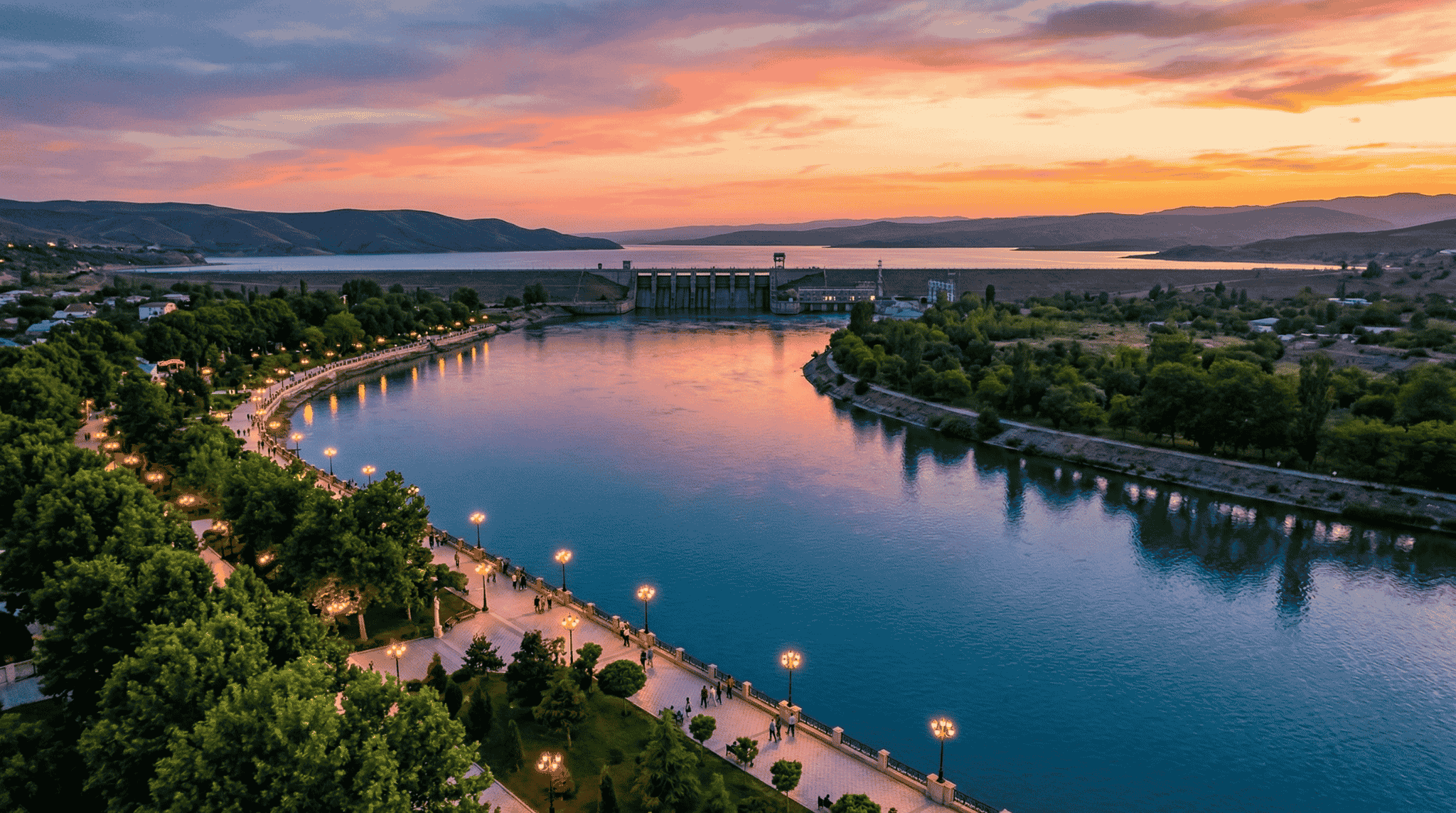
Your journey through the Aran region will likely begin in Mingachevir, often affectionately referred to as the "City of Lights." Founded in its modern iteration in 1946 around the construction of a massive hydroelectric power station, Mingachevir straddles the beautiful Kura River.
However, do not let its modern founding date fool you. Human habitation here dates back a staggering 5,000 years. The area is a literal goldmine for archaeologists. On the banks of the Kura, the Sudagylan excavation site has revealed ruins of Christian temples from the 5th to 7th centuries, pre-Islamic Zoroastrian artifacts, and fascinating "jug burials," where ancient inhabitants were laid to rest inside massive clay vessels.
For the modern traveler, Mingachevir is the ultimate relaxation hub in the Aran region. The Mingachevir Reservoir, affectionately known by locals as the "Mingachevir Sea," stretches for over 70 kilometers. It boasts sandy beaches where you can swim, sunbathe, and enjoy a variety of water sports during the scorching summer months. In the evening, a stroll down the Kura River promenade lined with cozy cafes, weeping willows, and glowing lamps is a must. Grab a cup of rich Azerbaijani tea, listen to the gentle flow of the river, and soak in the tranquil atmosphere.
If Mingachevir is the modern leisure capital of the region, Barda is its undisputed historical soul. Located just south of Yevlakh along the Tartar River, Barda is one of the oldest settlements in the entire Middle East. Historical records and archaeological digs have unearthed coins from the eras of Alexander the Great and the Roman Emperor Augustus, proving Barda's ancient global connections.
In the 5th century, Barda (then known as Partav) became the glorious capital of Caucasian Albania. It was a massive, thriving metropolis situated on the crucial East-West and North-South trade routes. Arab historians once referred to it as the "Mother of Aran."
Today, while the ancient metropolis is largely buried under the sands of time and the shifting path of the Tartar River, spectacular monuments remain. The crown jewel of Barda tourism is the Barda Mausoleum (often called the Nushaba Tower by locals). Built in 1322 by the masterful architect Ahmad ibn Ayyub al-Hafiz Nakhchivani, this 12.5-meter cylindrical tomb is a masterpiece of medieval Islamic architecture. Its surface is intricately decorated with glazed turquoise tiles, cleverly arranged so that the word "Allah" is repeated in the geometric brickwork over two hundred times. Barda is a profound destination for history buffs looking to connect with the deep, layered past of the Caucasus.
Nature lovers and ecotourists, rejoice! The Aran region is home to one of Azerbaijan's most vital protected areas: Shirvan National Park. Spanning over 54,000 hectares across the Salyan and Neftchala districts, this national park is a sprawling expanse of semi-desert terrain and vital wetlands bordering the Caspian Sea.
The primary mission of Shirvan National Park is the conservation of the goitered gazelle (Gazella subgutturosa). Thanks to rigorous protection efforts, the park now boasts the world's largest population of these graceful, swift creatures, with numbers exceeding 5,000. Renting a pair of binoculars and taking a guided 4x4 tour through the dusty plains to spot herds of gazelles kicking up sand against the horizon is an experience that feels straight out of an African safari, yet it is right here in Azerbaijan.
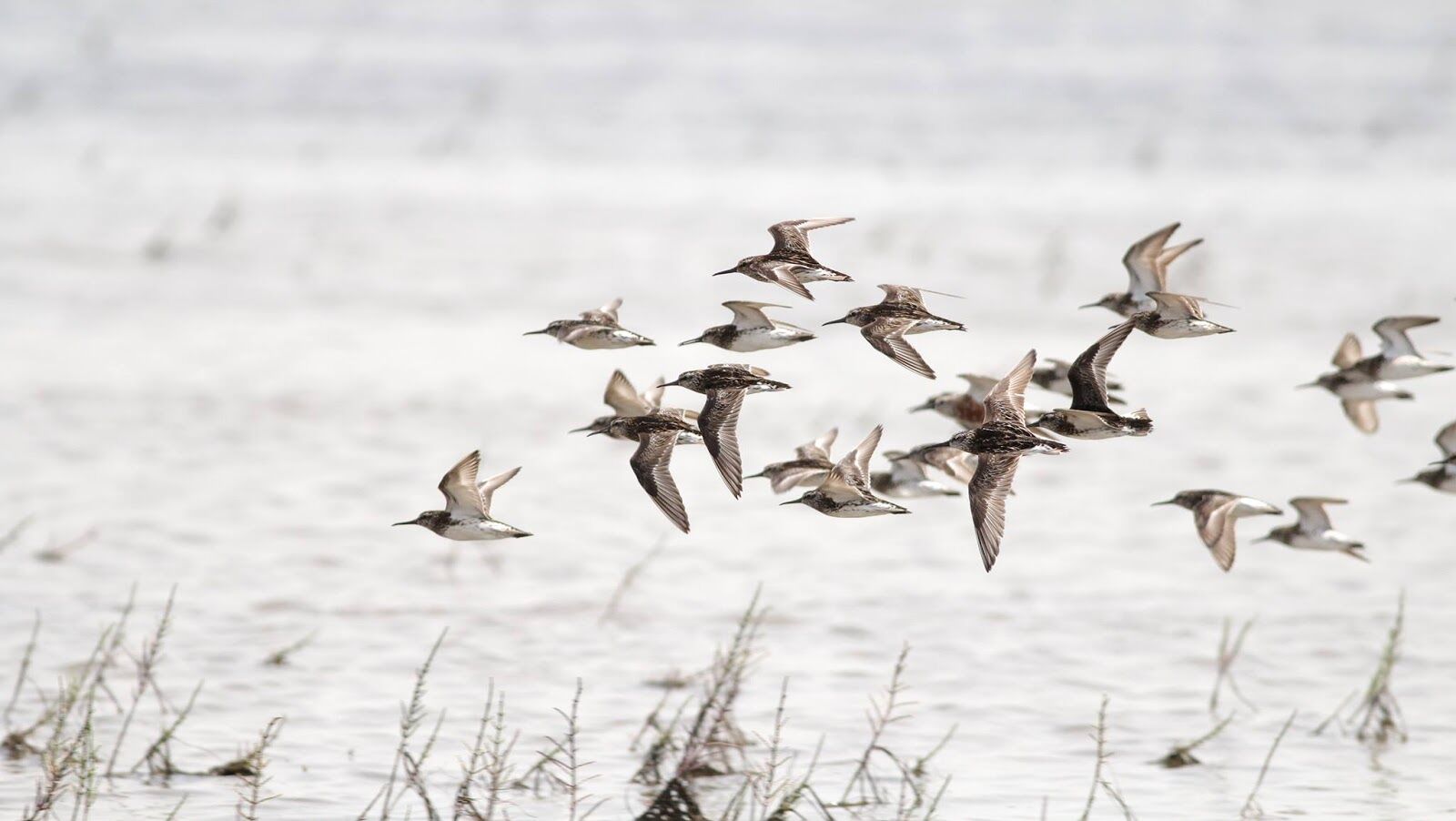
But gazelles aren't the only draw. The park is a paradise for birdwatchers. The wetlands surrounding Lake Shor are critical nesting and wintering grounds for countless avian species, including flamingos, pelicans, white-tailed eagles, and the rare black francolin. If you keep your eyes peeled, you might also spot wild boars, jungle cats, European hares, and the Mediterranean tortoise navigating the Halocnemum-covered salt flats.
No trip to the Aran region is complete without passing through its bustling local hubs like Yevlakh, Kurdamir, and Goychay. Yevlakh serves as the primary transportation crossroads of the region. While it may not boast the monumental sites of Barda, it offers a raw, unfiltered look at daily Azerbaijani life.
If you happen to visit in late autumn, you absolutely must detour towards Goychay, the pomegranate capital of Azerbaijan. The annual Pomegranate Festival held here is an explosion of color, taste, and local folklore. You can sample fresh pomegranate juice, traditional jams, and even wine made from the ruby-red arils of the fruit.
Azerbaijani cuisine is highly regional, and the Aran region brings its own unique flavors to the table. Because the region is bisected by the Kura River, freshwater fish is a massive staple here. When in Mingachevir or Salyan, seek out a riverside restaurant and order "Kura River Sturgeon" or "Kutum" (a species of carp), typically grilled over an open flame and served with a tangy pomegranate sauce called narsharab.
The fertile plains of the Aran region also produce some of the country's best fruits, vegetables, and cotton. Meals are always accompanied by platters of fresh herbs, cucumbers, tomatoes, and warm tendir bread. And of course, no meal in the Aran region is complete without the deeply ingrained ritual of drinking black tea, served in pear-shaped armudu glasses, often accompanied by local fruit preserves.
How to Get There: The Aran region is easily accessible from Baku. You can take a modern, comfortable train from the Baku Railway Station to Mingachevir or Yevlakh, which takes a few hours. Alternatively, renting a car gives you the ultimate freedom to explore remote archaeological sites and national parks at your own pace.
Best Time to Visit: The climate in the Aran region is a warm semi-desert. Summers (June to August) can be punishingly hot, with temperatures often soaring well above 35°C (95°F). Therefore, the absolute best times to visit are during the spring (April to May) when the plains briefly turn green and bloom with wildflowers, or the crisp, pleasant autumn (September to November) which aligns perfectly with the harvest seasons.
Where to Stay: Mingachevir offers the widest variety of accommodations, from the luxurious Agsaray Deluxe Hotel & Spa to budget-friendly guesthouses like the River Side Hotel. If you are exploring Barda or Salyan, local boutique hotels and homestays provide comfortable bases with incredibly warm local hosts.
The Aran region is Azerbaijan’s best-kept secret a place where the echoes of ancient empires still resonate through the brickwork of medieval mausoleums, where endangered gazelles sprint across sun-baked plains, and where the Kura River silently watches over it all as it has for millennia. While the mountains and the capital have their undeniable charm, the true, welcoming soul of Azerbaijan beats strongest right here in its heartland.
Pack your bags, grab your camera, and let www.putivnik.com
guide you into the beautiful, untamed, and unforgettable Aran region. Safe travels!