1 tour available
Nestled high in the dramatic peaks of the Lesser Caucasus Mountains, wrapped in pristine alpine air and swirling mists, lies a city that is much more than just a destination on a map. Shusha is the very soul of Azerbaijan. For nearly three decades, this majestic fortress city was shrouded in conflict and completely inaccessible to the world. But today, the gates to this mountainous marvel are wide open, inviting intrepid travelers to witness one of the most profound cultural renaissances of the 21st century.
As a dedicated SEO travel copywriter for Putivnik.com, I’ve scoured the globe for destinations that offer travelers more than just a pretty backdrop for a social media post. Shusha delivers an emotional, historical, and visual punch that is completely unmatched. Officially declared the Cultural Capital of Azerbaijan, this city is a harmonious symphony of heritage, art, and raw natural beauty. If you are a traveler who craves authenticity, deep historical context, and off-the-beaten-path adventures, Shusha deserves the absolute top spot on your travel bucket list.
The Cradle of Azerbaijani Culture
To truly understand Shusha is to understand the artistic heartbeat of an entire nation. Often referred to affectionately as the "Conservatoire of the Caucasus," Shusha has historically been the birthplace of legendary poets, visionary writers, and world-renowned musicians. This is the sacred home of Mugham, a deeply spiritual and complex traditional Azerbaijani musical genre that echoes through the mountain valleys and stirs the soul.
Walking through the newly restored cobblestone streets, you can almost hear the phantom melodies of Uzeyir Hajibeyli, the legendary founder of classical music in Azerbaijan, or feel the poetic presence of Khurshidbanu Natavan, the brilliant 19th-century female poet and daughter of the last Karabakh Khan. The city is currently undergoing a massive, meticulous reconstruction aimed at preserving these historical echoes while simultaneously building modern, sustainable infrastructure for the influx of global tourists. To visit Shusha now is to witness history in real-time a rare opportunity to see a cultural powerhouse rebuilding its legacy, stone by beautiful stone.
You cannot speak of Shusha without mentioning the Khari Bulbul (Ophrys caucasica), an extraordinarily unique and delicate orchid that grows exclusively in the mountains surrounding the city. The flower is famous for its striking resemblance to a nightingale sitting on a branch. According to local folklore, the flower represents pure love, longing, and the unbreakable bond between the people and their homeland.
Today, the Khari Bulbul has become the official emblem of Shusha's liberation and reconstruction. If you time your visit right, you might even be able to attend the annual Khari Bulbul International Music Festival, a spectacular celebration of global and traditional music held on the sweeping plains of Jidir Duzu. It is an event that perfectly encapsulates the joy and artistic spirit of the region.
Top Attractions: What to See and Do in Shusha
When you book your tour to the Karabakh region, your itinerary will be packed with iconic landmarks that tell the story of a remarkably resilient city. Here are the absolute must-visit sights for any traveler exploring Shusha:
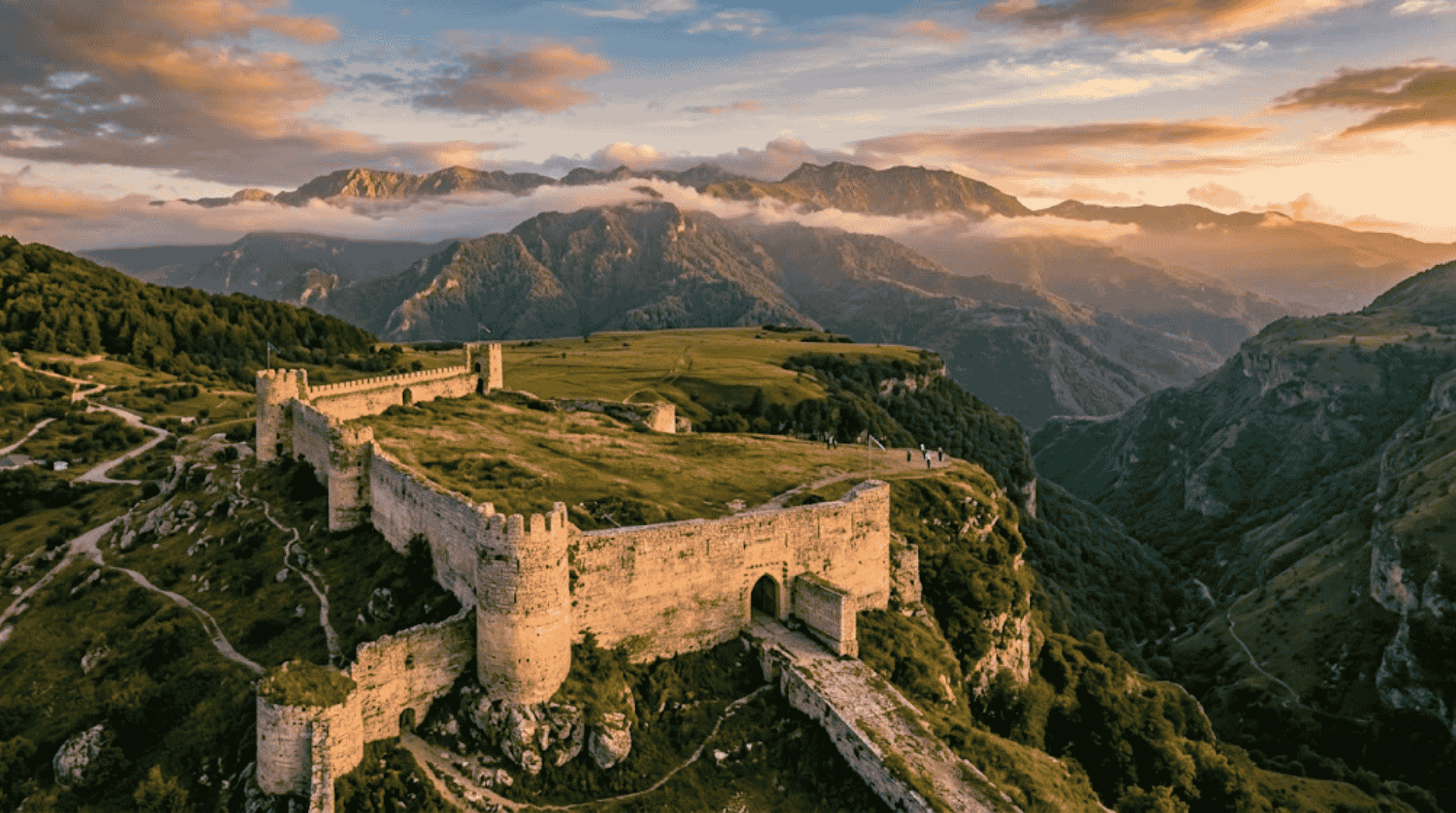
Your journey into the city will inevitably begin at the imposing Shusha Fortress. Constructed in the mid-18th century by Panah Ali Khan, the founder of the Karabakh Khanate, these formidable defensive walls were built to protect the city from foreign invasions. Today, the beautifully restored Ganja Gate stands as a proud symbol of the city's enduring strength. Walking along the ancient stone ramparts offers spectacular panoramic views of the surrounding mountains and verdant valleys.
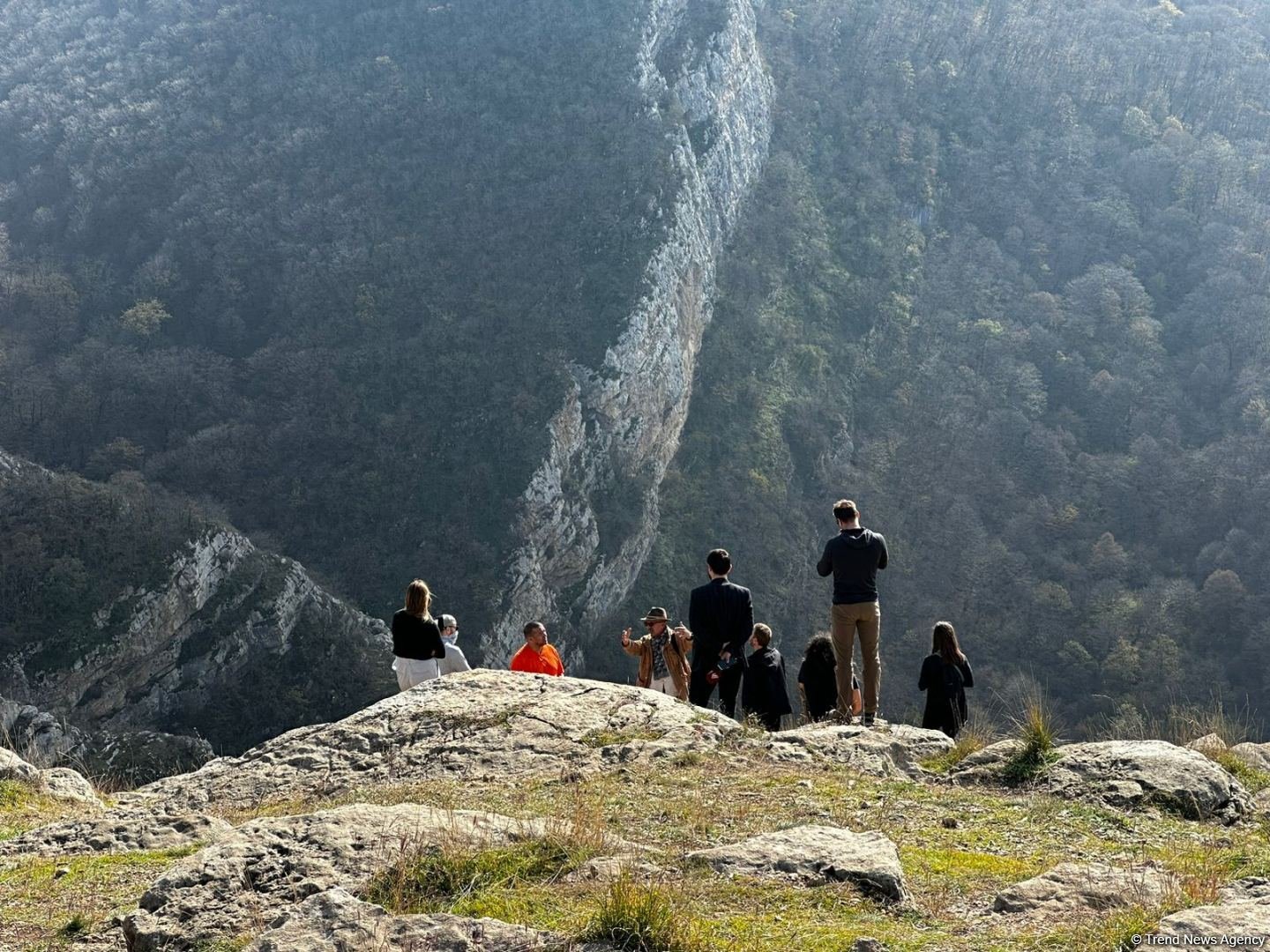
If there is one singular image that defines the natural splendor of Shusha, it is the breathtaking expanse of Jidir Duzu. Historically, this vast, lush meadow was used for traditional horse racing (Chovqan), vibrant local festivals, and spirited celebrations. Today, it serves as the ultimate viewpoint. Standing on the edge of the plain, you look down into the dizzying depths of the Dashalti Gorge, where the rushing waters of the Karkar River carve their way through the rugged terrain. It is a place of profound peace, perfect for quiet reflection, meditation, and awe-inspiring travel photography.
For a deeply poignant reminder of the city’s turbulent past, head to the central square. Here, you will find the bronze busts of three of Azerbaijan’s greatest cultural figures: the poet Khurshidbanu Natavan, the composer Uzeyir Hajibeyli, and the renowned opera singer Bulbul. During the occupation in the 1990s, these statues were dismantled, vandalized, and riddled with heavy machine-gun fire. They were eventually rescued, kept in the courtyard of the National Museum of Art in Baku for years, and finally returned to their rightful home in Shusha following the city’s liberation in 2020. They stand today exactly as they were found scars, bullet holes, and all serving as a powerful, moving testament to the survival of art over destruction.
Dominating the city's skyline with its elegant, soaring twin minarets, the Yukhari Govhar Agha Mosque is a true architectural masterpiece. Built in the late 19th century by the architect Karbalayi Safikhan Karabakhi, it is the historic spiritual center of Shusha. Following extensive and careful recent restorations, the mosque has spectacularly regained its former glory, featuring stunning traditional brickwork and intricate geometric patterns. It is a magnificent example of the distinctive Karabakh architectural school and a peaceful sanctuary for visitors.
Dedicated to Molla Panah Vagif, a revered 18th-century poet, statesman, and the vizier of the Karabakh Khanate, this striking mausoleum is a cultural highlight. The original towering structure, built in the early 1980s, was heavily damaged and left in ruins during the years of conflict. However, it has been flawlessly rebuilt to match its original majestic design. The monument stands elegantly against the mountainous backdrop, and the surrounding manicured gardens are the perfect spot to appreciate the poetry and profound history of the region.
No comprehensive trip to Shusha is complete without a visit to Isa Bulagi, a legendary natural spring nestled deeply within the dense, shaded forests just outside the city center. Locals have long believed that drinking the crisp, ice-cold water from this specific spring brings lifelong health, clarity, and vitality. It is a highly favored rest stop for weary travelers, offering a serene environment surrounded by ancient, towering trees and the soothing sounds of pristine nature.
Practical Travel Tips: Navigating Shusha
Traveling to Shusha is a thrilling adventure unlike any other, but it does require some specific planning and awareness of local regulations.
How to Visit (Permissions & Tours): Due to ongoing demining operations and large-scale, rapid reconstruction in the wider Karabakh region, independent, unguided travel is currently highly restricted. The best, safest, and most informative way to experience Shusha is by booking an official guided tour departing from Baku. These professional tours (which range from comprehensive full-day trips to immersive two-day overnight experiences) handle all the necessary government permissions, official portal registrations, and security checkpoints for you.
Getting There: You will travel in comfort along the spectacular, newly constructed "Victory Road," a winding highway that offers stunning views of the Caucasus. Alternatively, you may fly into the state-of-the-art Fuzuli International Airport, which has drastically cut down travel times to the Karabakh region.
Where to Stay: As the city's tourism infrastructure rapidly expands, excellent accommodation options are now readily available. The Shusha Hotel & Conference Center offers modern luxury and stunning mountain views, while the Qarabag Hotel and the charming boutique Yasemen Hotel provide incredibly comfortable stays right in the heart of the historic district.
Do not even think about leaving Shusha without indulging in the rich, hearty flavors of traditional Karabakh cuisine. The crisp, fresh mountain air will certainly work up your appetite, so prepare your palate for an unforgettable feast.
Seek out local restaurants serving succulent, perfectly charred Karabakh kebabs, rich and aromatic plov (pilaf) studded with dried fruits and chestnuts, and savory qutab (thin flatbreads stuffed with mountain herbs or minced meat). For dessert, you absolutely must try the famous Karabakh Kata a delightfully sweet, buttery, and flaky pastry with a rich vanilla filling. Pair this local delicacy with freshly brewed Azerbaijani black thyme tea, traditionally served in beautiful pear-shaped armudu glasses. It is the perfect way to warm up after a long day of exploring the fortress walls.
A Journey Like No Other
Shusha is not just a destination; it is a profound emotion. It is a unique place on earth where every cobblestone has a story to tell, every mountain breeze carries a faint, beautiful melody, and the sheer, unbreakable will of a nation is on full, glorious display. As you stand on the precipitous edge of Jidir Duzu, looking out over the endless, rolling green peaks of the Caucasus, you will realize that you are standing in a true place of rebirth.
For the modern traveler seeking unmatched depth, complex history, and unrivaled natural beauty, Shusha is calling. Pack your bags, prepare your camera, and get ready to witness the heart of the Caucasus beat once again.
Ready to start your adventure? Check out more exclusive travel tips, detailed itineraries, and hidden gem destination guides right here on Putivnik.com, and start planning your unforgettable journey to Azerbaijan today!